Introduction: Why the Sony MDR7506 Remains a Studio Essential
Some products come and go. Others quietly build a legacy. The Sony MDR7506 Professional Large Diaphragm Headphone belongs firmly in the second category. For over three decades, it has been a staple in recording studios, radio stations, production houses, and home studios across the globe. That kind of staying power doesn’t happen by accident.
In a world filled with flashy designs, booming bass signatures, and wireless hype, the MDR7506 stands confidently as a wired, no-nonsense professional monitoring headphone. It doesn’t try to impress with gimmicks. Instead, it delivers what audio professionals truly need—clarity, accuracy, and reliability.
If you’ve ever stepped into a professional recording booth, chances are you’ve seen a pair hanging by the mixing console. That’s because these headphones are built to reveal the truth in your audio. They don’t exaggerate. They don’t hide flaws. They expose every detail, allowing engineers and creators to craft polished, balanced sound.
But what makes the Sony MDR7506 so special? Is it just nostalgia, or does it still compete in today’s crowded headphone market? In this detailed guide, we’ll explore its design, sound quality, performance, technical specifications, comparisons, and real-world usability. By the end, you’ll understand why this classic model continues to dominate professional environments in 2026.
A Brief History of the Sony MDR7506
The Sony MDR7506 was introduced in the early 1990s, and from the beginning, it was designed with professionals in mind. Unlike consumer headphones built for casual music enjoyment, this model targeted studio engineers and broadcasters who required accurate sound monitoring.
Origins in Professional Broadcasting
In broadcasting, there’s no room for error. Whether it’s live news, radio shows, or field reporting, sound must be crystal clear. The MDR7506 quickly became a favorite among broadcast professionals because of its closed-back design and detailed high-frequency response. It allowed users to detect background noise, microphone hiss, and subtle audio imperfections instantly.
Radio stations across the world adopted it as standard equipment. Television studios followed. Its lightweight build and dependable sound made it perfect for long hours behind the console.
Evolution Without Losing Identity
What’s remarkable about the Sony MDR7506 is how little it has changed. While many brands constantly redesign and rebrand their products, Sony maintained the original formula. Why? Because it worked.
Minor improvements were made in materials and packaging, but the core sound signature and structure remained consistent. This consistency built trust. Engineers knew that every new pair would sound just like the last one.
That reliability is rare in today’s fast-changing tech landscape—and it’s one of the reasons the MDR7506 remains iconic.
“Want to start your own tech review blog like this one?”
Design and Build Quality
At first glance, the Sony MDR7506 looks simple. But simplicity in professional gear often signals purpose-driven design rather than lack of creativity.
Minimalist and Functional Aesthetic
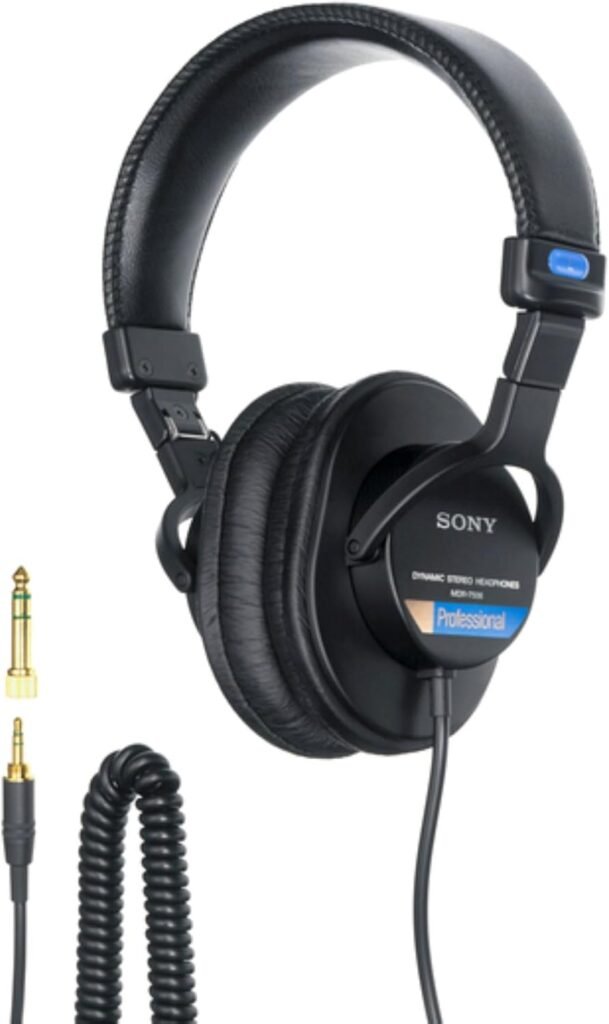
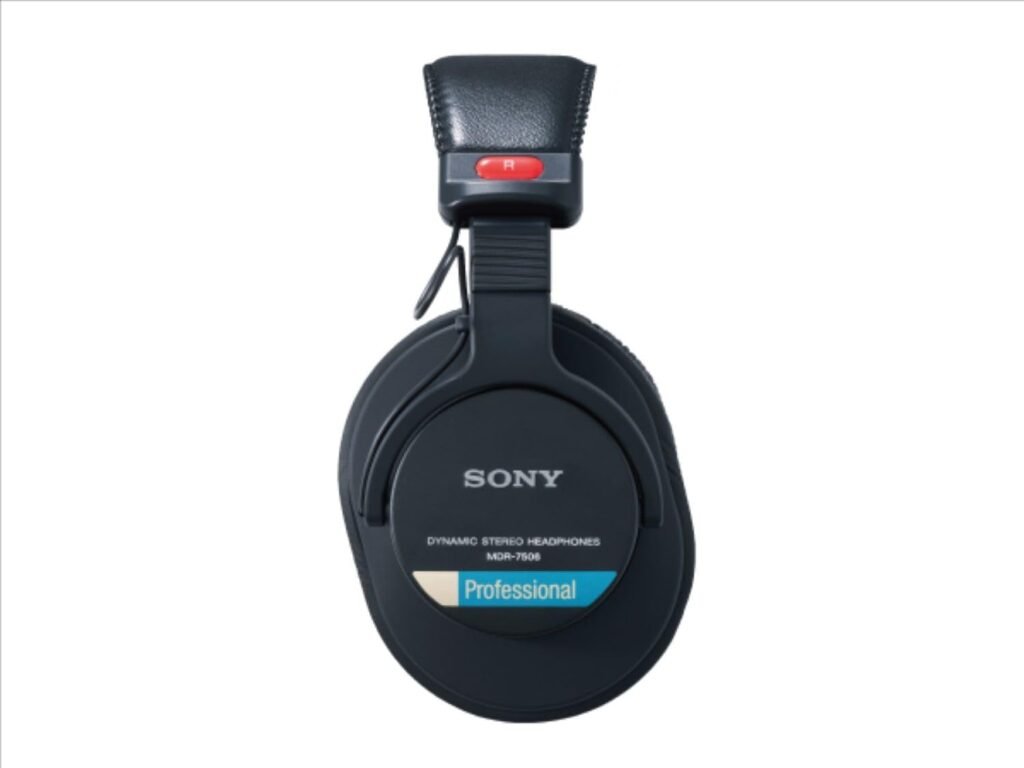
The headphones feature a classic black finish with subtle red and blue labeling for left and right channels. The design is understated and professional—no flashy branding or unnecessary embellishments.
Its closed-back earcups provide excellent isolation. This is crucial during recording sessions, as it prevents sound leakage into microphones. If you’re tracking vocals or instruments, that isolation makes a big difference.
Durability and Materials Used
Despite being lightweight, the MDR7506 feels sturdy. The metal headband frame adds strength, while the plastic components keep the weight manageable. The headphones can handle daily professional use without feeling fragile.
One standout feature is the coiled cable. Unlike straight cables that tangle easily, the coiled design extends when needed and retracts neatly when not in use. It’s practical, especially in busy studio environments.
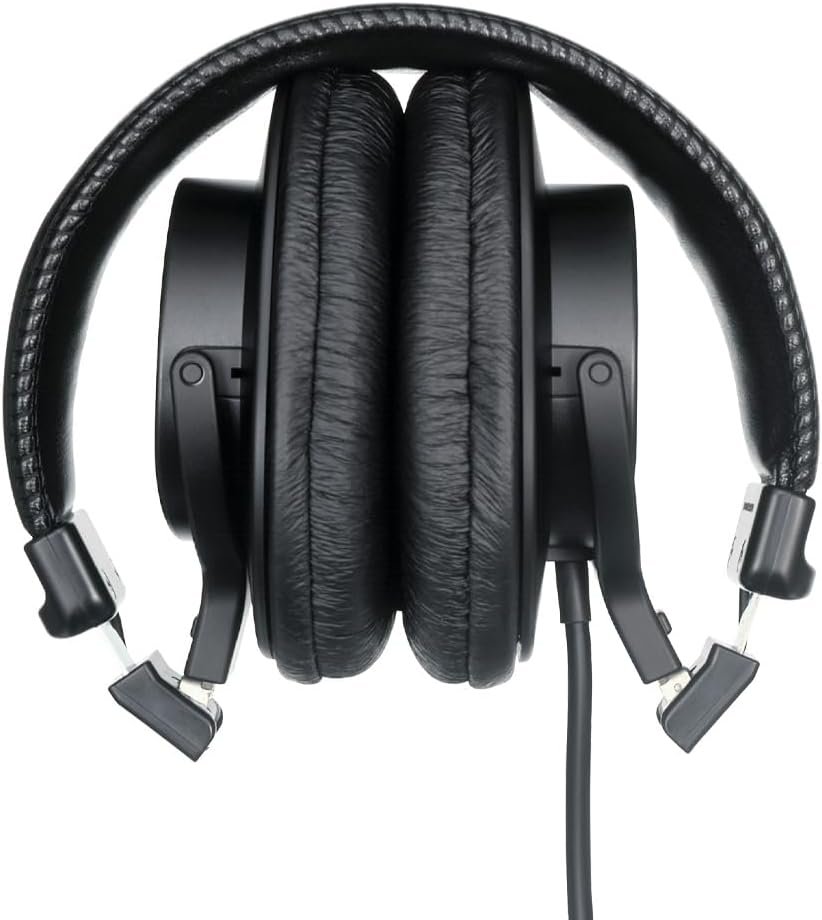
Portability and Foldable Structure
The foldable design makes it easy to store or carry in a bag. Sony even includes a soft carrying pouch, which adds convenience for traveling musicians and field recordists.
This portability makes the MDR7506 ideal for professionals on the move.

Comfort for Long Listening Sessions
When you’re mixing or editing audio for hours, comfort becomes critical. Uncomfortable headphones can distract you and cause fatigue.
Ear Cushion Design and Fit
The Sony MDR7506 comes with soft padded ear cushions that fully cover the ears. The over-ear design helps reduce pressure on the ears while enhancing isolation.
However, some users find that the stock ear pads can wear out over time. The good news? They’re easily replaceable. Many professionals upgrade to velour pads for added comfort during extended sessions.
Headband Comfort and Adjustability
The adjustable headband ensures a secure fit for different head sizes. The padding on top distributes weight evenly, preventing pressure points.
Overall, the headphones are light enough to wear for long sessions without causing neck strain. For professionals who spend hours fine-tuning audio, this matters more than you might think.
Sound Quality Deep Dive
Now let’s talk about what truly matters: sound performance.
Understanding the Large Diaphragm Drivers
The Sony MDR7506 uses 40mm drivers with neodymium magnets. These large diaphragm drivers are designed to deliver powerful yet controlled sound across a wide frequency range.
They’re engineered for detail, not exaggeration. That’s a key difference between professional monitoring headphones and consumer models.
Bass Performance: Tight and Accurate
If you’re expecting booming, club-style bass, you might be surprised. The bass on the MDR7506 is tight and controlled rather than heavy and overwhelming.
This makes it excellent for mixing, as it prevents low-frequency buildup from going unnoticed. You hear the bass as it truly exists in the track—nothing more, nothing less.
Midrange Clarity for Vocals and Instruments
The midrange is where these headphones shine. Vocals sound clear and forward, making it easy to detect pitch issues or tonal imbalances.
For podcasters and voiceover artists, this clarity is invaluable. You can hear subtle mouth noises, breathing sounds, and background disturbances clearly.
Treble Detail and High-Frequency Response
The MDR7506 is known for its bright treble response. High frequencies are crisp and detailed, allowing engineers to spot hiss or harshness in recordings.
While some casual listeners may find the treble slightly sharp, professionals appreciate the precision.
Soundstage and Imaging Precision
Although closed-back headphones typically have a narrower soundstage than open-back models, the MDR7506 offers accurate stereo imaging.
This helps when positioning instruments in a mix or identifying channel imbalances.
Technical Specifications Breakdown
Here’s a quick overview of the key technical details:
| Specification | Details |
|---|---|
| Driver Size | 40 mm |
| Frequency Response | 10 Hz–20 kHz |
| Impedance | 63 Ohms |
| Sensitivity | 106 dB |
| Cable Type | Coiled, 9.8 feet |
| Plug | 3.5mm with 1/4″ adapter |
These specs make it versatile enough for studio interfaces, mixing consoles, and portable recorders.
Pros and Cons
Pros
- Accurate and detailed sound
- Excellent for professional monitoring
- Lightweight and portable
- Durable construction
- Affordable for studio-grade headphones
Cons
- Non-detachable cable
- Stock ear pads may wear out
- Bright treble may not suit casual listeners
Who Should Buy the Sony MDR7506?
These headphones are perfect for:
- Audio engineers
- Music producers
- Podcasters
- Voiceover artists
- Broadcast professionals
- Home studio creators
If you prioritize accuracy over flashy sound enhancements, the MDR7506 is a smart choice.
Is the Sony MDR7506 Still Worth It in 2026?
Absolutely. Despite countless new releases in the headphone market, the Sony MDR7506 continues to hold its ground. Its sound accuracy, durability, and affordability make it a timeless investment for serious creators.
While wireless technology and noise-canceling features dominate consumer markets, professionals still rely on wired precision. And that’s exactly what the MDR7506 delivers.
Conclusion
The Sony MDR7506 Professional Large Diaphragm Headphone is more than just a piece of audio equipment—it’s an industry standard. For over 30 years, it has helped professionals craft clean mixes, produce flawless broadcasts, and capture high-quality recordings.
Its balanced sound, durable design, and accessible price point make it one of the best studio monitoring headphones available today. If you’re serious about sound, this classic model deserves your attention.
Planning a complete desk upgrade? Pair your audio gear with the right display by checking out my in-depth guide on the KOORUI 27 Inch Curved Gaming Monitor Review: Is This Amazing 27E6CA Worth It? to see if it’s the right gaming monitor for you.
FAQs
1. Is the Sony MDR7506 good for music listening?
Yes, but it’s designed for accuracy rather than enhanced bass, making it ideal for critical listening.
2. Are the ear pads replaceable?
Yes, the ear pads are replaceable and widely available.
3. Does it require an amplifier?
No, with 63-ohm impedance, it works well with most audio interfaces and devices.
4. Is it suitable for gaming?
While not designed specifically for gaming, its accurate sound imaging works well for immersive experiences.
5. How long does the Sony MDR7506 typically last?
With proper care, many users report using the same pair for over 10 years.
Please don’t forget to leave a review.