Last December my good wireless headphones died mid-semester—right in the final stretch of a three-week project deadline. The charging port had been flaky for months, and one morning they just wouldn’t turn on anymore.
I needed something that day. Not next-day delivery, not “add to cart and wait. ” I needed to walk into a store, buy headphones, and be back at my desk within an hour.
The Sony MDR-ZX110 was sitting on a shelf at my local electronics store for $19.99. Wired. On-ear. Black. Simple. I picked them up with the full expectation of using them for two weeks while I decided what to replace my wireless ones with.
Six months later, they’re still on my desk. The wireless headphones I was going to buy as a replacement are still “on my list.”
This review is what happens when a $20 pair of Sony headphones outperforms your expectations so thoroughly that you stop looking for alternatives.
Why Most People Dismiss Cheap Wired Headphones (And Why That’s Partly Wrong)
When someone hears “wired on-ear headphones for $20,” they picture a flimsy piece of plastic that sounds like music playing through a tin can. I had that picture too.
The thing is—Sony has been making the MDR-ZX line for over a decade. This isn’t a new brand trying to cut corners to hit a price point. It’s a manufacturer that knows exactly how to build a reliable entry-level audio product because they’ve been iterating on the same design for years.
That doesn’t make it a premium headphone. It makes it an honest, well-executed headphone—which is a completely different thing and serves a specific set of people extremely well.
First Impressions: What You Notice When You Open the Box
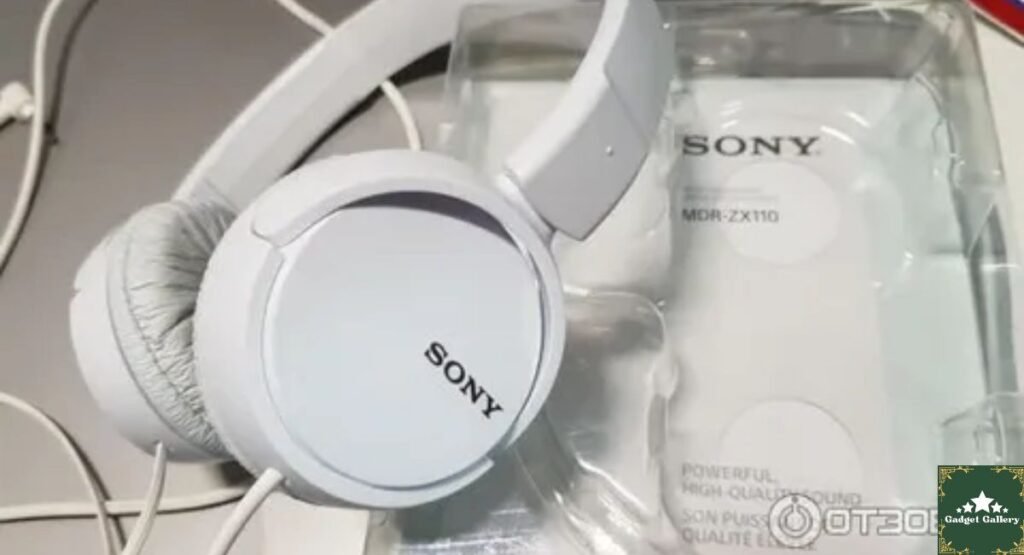
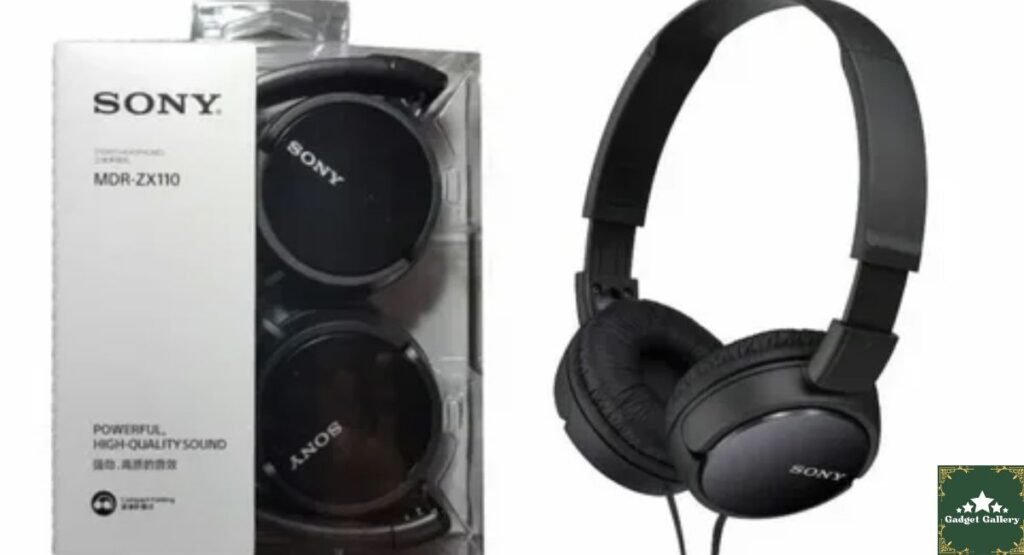
The packaging is straightforward. No magnetic boxes, no layers of branded foam. A simple retail clamshell package with the headphones inside.
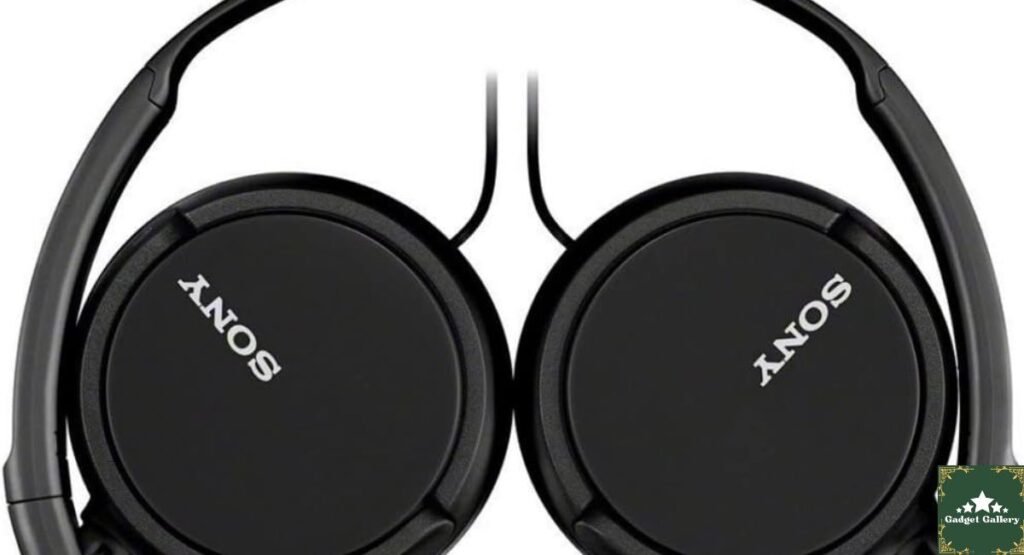
The first thing you notice holding them: they’re light. Noticeably light. At around 120 grams, these feel like almost nothing on your head. After spending months with heavier wireless headphones, the weight difference was immediate.
The build is entirely plastic—no metal frame, no premium materials. For some people this is a dealbreaker. For me at $20, this is an accurate expectation. Sony doesn’t pretend otherwise.
The cable is 1.2 meters (about 4 feet) with a straight 3.5 mm plug—no tangle-resistant coating, no braiding. Just a standard round cable. In six months of daily use, it hasn’t developed any kinks or connectivity problems, so the basic build has held up better than I expected.
The headband adjusts by pulling the ear cups down—a sliding mechanism that holds its position once set. No click stops, no numbered sizing. Set it once for your head, and it stays.
First test: plugged into my laptop. Instant audio. No pairing. No Bluetooth handshake. No “searching for device.” Just music. I had forgotten how refreshing wired headphones are in 2026 when everything has turned into a 30-second connection ritual.
Sound Quality: Honest Assessment After Six Months
Let me give you the honest picture—not “sounds great for the price” (which means nothing), but what you’ll actually hear.
YouTube—theBass: Present and warm. The 30mm drivers produce noticeable bass that makes music enjoyable without being overwhelming or muddy. For casual listening—podcasts, streaming, YouTube — the bass feels full enough. For bass-heavy music like hip-hop or EDM, it delivers energy without distortion at moderate volumes.
Midrange: Clear enough for voice content. Podcasts and audiobooks sound natural. Dialogue in movies and TV shows comes through cleanly. For voice-forward content, this is actually the ZX110’s strongest suit.
listeners—it’sTreble: Present but rolled off at the top. High hats and cymbals are there, but they don’t extend with the detail you’d hear on headphones three times the price. This isn’t a problem for casual listeners — it’s only noticeable if you’re actively comparing to higher-end headphones.
headphones—you’reSoundstage: Narrow. These are closed-back on-ear headphones — you’re not going to get a wide, spatial audio experience. Music sits fairly close and centered. For gaming or spatial audio work, these aren’t the right tool.
HVAC—theyVolume capability: Loud enough to block out a fairly noisy environment. I’ve used them in libraries, coffee shops, and home offices with noisy HVAC — they get loud enough that the background becomes background.
$20—theyWhat surprised me most about the sound: For the first two weeks I kept comparing them unfavorably to my wireless headphones. Then I stopped comparing and just listened to music. When you evaluate them on their own terms—a basic, reliable listening experience at $20 — they deliver comfortably. The mistake is holding them to a standard they were never designed to meet.
Comfort Over Time: What Six Months of Daily Use Revealed
On-ear headphones have a reputation for comfort problems. The cushions press on the ear rather than around it, and for some people this creates pressure fatigue after an hour or so.
Here’s my honest experience: for the first two weeks, I had mild ear pressure fatigue after about 90 minutes. By week three, I had adapted, and this mostly stopped being noticeable. I now regularly wear them for 2-3 hours without discomfort.
The cushions are a soft foam material—not memory foam, not plush velvet. Just basic foam padding. After six months of daily use, there’s some light wear on the contact surface, but the cushions haven’t hardened or degraded to the point of discomfort.
The headband padding is thin. If you have a large head or prefer substantial padding on the crown, this headband will feel slightly spartan. For me it’s been fine, but this is individual.
One honest limitation: These are on-ear headphones, not over-ear. People with larger ears will feel the ear cup edges more than people with smaller ears. I’m right at the edge of the cup size—they work, but they’re not creating a seal around my ear the way over-ear headphones do.
Real Use Cases: Where They Work Best and Where They Don’t
Where the Sony MDR-ZX110 genuinely excels:
Student study sessions—lightweight, simple, no battery anxiety. Plug in and study. No Bluetooth interference in crowded libraries.
Home office calls and meetings—The built-in wired connection means no audio dropout during important calls. For Teams or Zoom, the audio quality is clear enough that nobody has ever asked me to repeat myself or complained about audio.
budget—ifCommuting on a budget — If you’re worried about losing or damaging expensive headphones on public transit, these are the answer. Losing a $20 pair of headphones stings. Losing a $200 pair is a bad day.
Kids—TheseKids — These are essentially indestructible for the price. Kids cable-yanking, leaving them in backpacks, and generally being kids with technology isn’t going to break these quickly.
Bedside listening—watching something before sleep without disturbing a partner. Lightweight enough that they’re comfortable to wear lying down, at least for shorter sessions.
Where they’re not the right choice:
Gym and exercise—No sweat resistance, cable gets tangled, no secure fit for movement. Get wireless sport earbuds for this.
Professional audio work—The frequency response isn’t flat enough for mixing, mastering, or critical listening. If you need to hear exactly what’s on a track, these will color the sound too much.
Open-plan office with video calls all day—no microphone. You’ll need a separate mic for calls.
Gaming with spatial audio—The narrow soundstage makes positional audio difficult. For competitive gaming, you want something with a wider soundstage or surround processing.
The No-Microphone Issue: More Important Than You’d Think
This is the one thing I wish I had thought about more before buying.
The Sony MDR-ZX110 has no microphone. None. Just headphones.
For six months of mostly personal listening use, this hasn’t mattered. But when I’ve needed headphones for calls, I’ve had to either use my laptop’s internal mic (which sounds terrible on Teams calls) or switch to earbuds.
If you work from home and take regular calls, the lack of a microphone is a genuine limitation you should plan for. There are other Sony headphones in the same ZX series that include an inline microphone at a slightly higher price—worth considering if calls are a significant use case for you.
Mistakes I Made—Don’t Do What I Did
Mistake 1: Wrapping the cable tightly around the headphones for storage. I did this for the first month. Cable stress at the plug creates internal wire damage over time—this is how most cables eventually fail. Now I just loosely loop the cable and lay the headphones flat. Takes 5 extra seconds and protects the cable.
Mistake 2: Assuming the fit was final on first wear. I set the headband extension too tight on day one because I was rushing. That created more ear pressure than necessary. The correct fit is snug but not compressed—take two minutes to find the right adjustment. The headband slider holds position well once set correctly.
Mistake 3: Comparing them to wireless headphones. This sounds obvious, but I spent the first week frustrated that they didn’t sound like my previous wireless headphones. Once I stopped comparing and evaluated them as what they actually are—a budget wired headphone—my experience improved immediately. The right comparison isn’t expensive wireless headphones. It’s another wired headphone in the $15-35 range.
Mistake 4: Lending them to my younger sibling without the storage tip. He wound them around his phone tightly every day for three weeks. The cable near the plug developed a slight kink. The headphones still work perfectly, but the cable looks worse. Teach anyone you share them with the loose-loop storage method.
Six-Month Durability Check
This is the section that most reviews can’t write because they reviewed the headphones for a week and moved on.
After six months of daily use:
Headband: Still holds its adjusted position. No loosening in the slider mechanism. The plastic hasn’t cracked or shown stress marks.
Ear cups: The swivel function still works smoothly. The cups rotate for flat storage without any resistance increase or loosening.
Cushions: Light surface wear visible. Still comfortable, still intact. Not degraded enough to consider replacement.
Cable: No internal wire issues. Audio is still continuous and clean with no channel dropouts or static.
3.5mm plug: Seats securely in every jack I’ve used it in. No wobble, no intermittent connection.
Honest summary: For a $20 pair of headphones at the six-month mark, the durability is better than I expected. Whether they’ll last another six months at the same pace, I can’t say yet. But they haven’t given me any reason to doubt it.
Who Should Buy the Sony MDR-ZX110
Buy these if you:
Are you a student who needs reliable headphones for studying, online classes, and casual listening without spending more than $20? This is honestly the ideal use case.
Want backup headphones for when your wireless pair runs out of battery or dies. The wired reliability means you’re never truly without audio.
Are you buying for a child or teenager? When a pair costs $20, you’re not devastated if they get lost, sat on, or cable-yanked. They’re also durable enough to survive kid-level use.
Need a spare pair for travel—a cheap set for flights that you’re not worried about losing or having confiscated.
Are you someone who just wants to listen to music without thinking about Bluetooth, battery, codecs, or latency? Plug in, music plays, done.
Skip these and buy something else if you:
Make a lot of calls and need a microphone—look at the Sony MDR-ZX310AP, which adds an inline mic for a few dollars more.
Work out regularly—wired headphones and exercise don’t mix well. Get sport wireless earbuds instead.
Need accurate audio for professional work—mixing, mastering, or critical listening needs flat-response reference headphones, not this.
Have sensitive ears that can’t tolerate on-ear pressure—over-ear headphones like the Sony MDR-ZX770BN or similar are more comfortable for extended sessions.
Pros and Cons
Pros
Genuinely reliable audio for the price—30mm drivers deliver warm, listenable sound for casual use across music, podcasts, and video.
Extremely lightweight at ~120 grams—after an hour of wear, you stop noticing them on your head.
Zero battery anxiety—wired connection means always-on audio with no charging routine.
No pairing required—plug in and audio works instantly on any device with a 3.5mm jack.
Surprisingly durable—six months of daily use with no functional issues
Foldable design—the ear cups fold flat for storage, reducing bulk in bags.
Universal compatibility—works on phones, laptops, tablets, TVs, and audio equipment with a standard 3.5mm jack
Price justifies the purchase—at $20, the cost of entry is low enough that the value ratio is excellent.
Cons
No microphone—cannot be used for calls without a separate mic or different headphone model.
The on-ear design causes pressure fatigue for some users during extended sessions over 90 minutes.
No noise isolation—doesn’t block ambient noise the way over-ear closed-back headphones do.
Narrow soundstage—not suitable for gaming or spatial audio work
Basic cable—no tangle resistance, no braiding, creates management habits required for longevity
Plastic construction feels budget-tier in hand—accurate to the price but not premium.
Treble detail is limited—high-frequency extension isn’t comparable to headphones in the $60+ range.
FAQs
Q: Does the Sony MDR-ZX110 work with iPhone? A: Yes—any device with a 3.5 mm headphone jack works. For iPhones (which removed the 3.5mm jack after iPhone 6), you’ll need Apple’s Lightning to 3.5mm adapter or a USB-C to 3.5mm adapter, both of which work fine with these headphones.
Q: Can I use these for gaming? A: For casual gaming and listening to game audio, yes. For competitive gaming where positional audio matters—hearing which direction footsteps come from—the narrow soundstage of the ZX110 is a limitation. Gaming headsets with surround processing or wider soundstage headphones serve competitive gaming better.
Q: Are there any headphones in the Sony ZX series with a microphone? A: Yes. The Sony MDR-ZX310AP includes an inline microphone and is designed for calls. The ZX110 is listening-only. If calls are a use case, the ZX310AP is the better choice in the same product family.
Q: How does the sound compare to wireless headphones at the same price? A: Most wireless headphones at $20 use very basic Bluetooth chips that compromise audio quality to hit the price point. The MDR-ZX110’s wired connection actually delivers cleaner audio than most wireless headphones in the same price bracket—wired removes compression artifacts that Bluetooth introduces.
Q: Will these work with a Nintendo Switch? A: Yes, via the Switch’s 3.5mm headphone jack in both handheld mode and docked mode (with the dock’s audio output). They work identically on Switch as on any other device.
Q: How long does the cable last with daily use? A: Based on six months of use, the cable has held up without internal wire issues when stored loosely. Wrapping it tightly around the headphones stresses the cable near the plug—avoid that habit, and the cable should last well. The main vulnerability in any wired headphone is the connection points at each end of the cable.
Q: Are they comfortable enough for long study sessions? A: For 1-2 hour sessions, most users find them comfortable. For 3+ hour sessions, the on-ear pressure becomes noticeable for some users, particularly those with larger ears. The first two weeks may involve some adaptation period. Over-ear headphones are inherently more comfortable for very long sessions.
Final Thoughts
Six months ago I grabbed these off a shelf as a temporary solution. At some point during those six months, they stopped being temporary.
The Sony MDR-ZX110 isn’t the best headphone in any category except one: for $20, it’s the best argument I’ve found for keeping a simple wired pair around even when you own fancier alternatives.
No charging. No pairing. No battery check before you leave the house. No “Bluetooth connected to the wrong device” frustration. You plug them in, and music plays. In 2026, when everything requires setup and maintenance, that simplicity has real daily value.
Would I recommend them? Without hesitation—for students, for backups, for kids, for travel, for anyone who wants reliable audio without spending time on it. Keep your expectations calibrated to the price, and they’ll keep surprising you.
The wireless headphones I was going to replace these with? They’re still on my “someday” list. These have been fine.
Where to Buy
🛒 Check Current Sony MDR-ZX110 Price on Amazon →
Related Reviews Worth Reading
- Soundcore P30i by Anker Earbuds Review—Step up to active noise cancellation with 45-hour battery
- JBL Clip 5 Portable Speaker Review — For when you want sound without headphones at all
- Ozeino Gaming Headset White Review—Budget gaming-specific audio with mic included
- WHOOP 5.0 MG Activity Tracker Review — If you want a wearable to go with your listening setup
- USB C Lavalier Microphone Review—Add a mic if you need one alongside these headphones
📺 Watch Our Sony MDR-ZX110 Sound Test on YouTube
See the headphones tested in real conditions—commuting, study sessions, and a direct comparison with earbuds in the same price range:
👉 Subscribe to @5stargadgetgallery on YouTube—New budget audio reviews and honest gadget tests every week. Subscribe and hit the notification bell!
🌐 Want to Write Reviews Like This?
This site runs on Hostinger—the hosting platform I use because it makes setting up a WordPress review site straightforward, even without a technical background.
- Plans start at $2.99/month
- Free domain included for year one
- One-click WordPress installation
- 24/7 live chat support
Start your own tech review blog with Hostinger.
Disclosure: This article contains Amazon Associates affiliate links. As an Amazon Associate, I earn from qualifying purchases at no extra cost to you. The Sony MDR-ZX110 was personally purchased and used for six months before writing this review. All observations are my own.